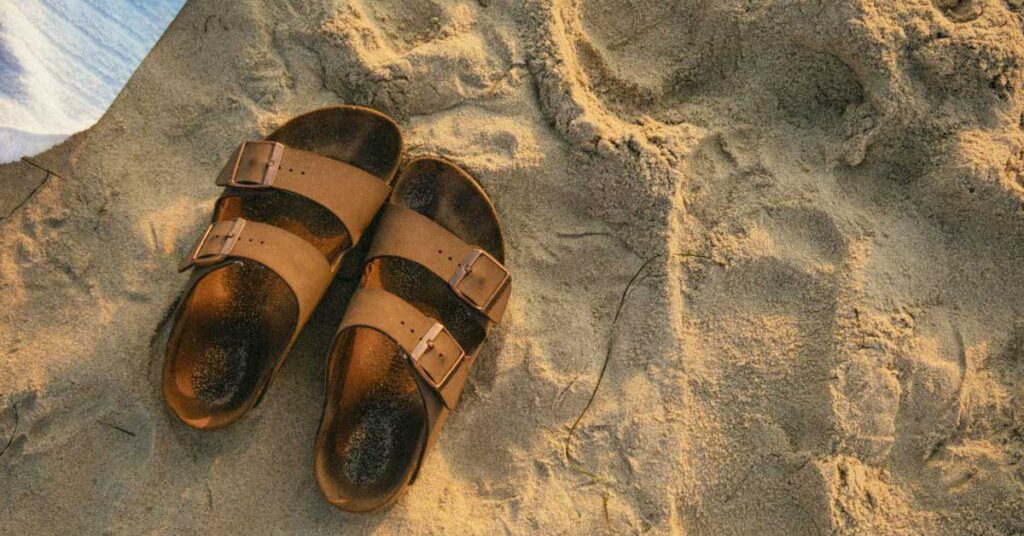
Yes! One of the absolute best things about Birkenstocks is that they are specifically engineered to be repaired and restored rather than tossed away.
Because of their layered construction which is composed of separate EVA rubber outsoles, cork-latex footbeds and leather or synthetic upper straps, almost every single component of a classic pair of Birkenstocks can be repaired or completely replaced.
Whether you’re dealing with worn-down soles, dry cracked cork, or loose straps, here is a complete guide on how Birkenstock repairs work and what your options are.
1. What Parts of Birkenstocks Can Be Repaired?
Depending on how much wear and tear your sandals have seen, a cobbler or authorized repair specialist can perform anything from a minor touch-up to a full rebuild.
| Repair Type | What Gets Fixed | Best For |
| Heel or Toe Wedge Tap | Replacing only the worn down edge of the heel/toe with fresh EVA rubber. | Uneven wear before it reaches the cork layer. |
| Full Resole | Stripping off the old rubber outsole and gluing on a fresh Birkenstock EVA tread. | Tread worn flat or smooth, but the cork footbed is intact. |
| Cork Seal & Patch | Sealing exposed cork or rebuilding gouged areas with cork paste. | Dry, flaking, or lightly cracked cork footbeds. |
| Footbed Replacement | Keeping your broken-in upper straps/buckles, but attaching them to a brand-new cork footbed & sole. | Deeply cracked cork, split footbeds, or heavily stained suede. |
| Strap & Hardware Repair | Re-stitching leather, replacing buckles, or re-anchoring straps into the footbed. | Broken hardware or loose straps pulling out. |
2. When to Repair vs. When to Buy New
A helpful rule of thumb among cobblers is don’t let the wear touch the cork.
Easy & Cheap Fix. The best time to repair your Birkenstocks is before friction hits the cork core. If your rubber outsoles still have 1.5 mm to 2 mm (about 1/16 inch) of tread left above the cork line, a simple resole or heel tap is quick, cheap, and preserves your custom footbed. If small gouges appear on the cork edges, a cobbler can still patch them with cork paste, but waiting until deep cracks form across the footbed will require a costly total rebuild.
Worth Repairing. If your upper straps (especially real leather or suede) are in good condition, repair is almost always cheaper than buying a new pair and you get to keep straps that are already broken in!
Real leather and suede uppers age exceptionally well and can easily survive multiple footbed replacements over several decades. They are simple for a cobbler to re-stitch, rivet, or clean. In contrast, synthetic uppers like Birko-Flor or Birkibuc cannot be conditioned once they crack or tear along stress points, making synthetic sandals better candidates for full replacement rather than repair.
When to Replace. If the uppers are severely torn (e.g., cracked synthetic Birko-Flor) or the repair costs approach $90–$100 on a standard $110 pair, buying new might make more economic sense.
However, when a major repair costs close to a new pair’s price tag, repairing preserves your pre-stretched upper leather, saving you from the painful blisters and lengthy break-in process of a brand-new sandal.
3. How to Get Them Repaired
Because Birkenstocks use specific adhesives and density-matched EVA tread, taking or sending them to a professional cobbler yields the best results.
Local Cobblers. Dropping off your sandals at a professional local shoe repair shop is usually the fastest, most convenient option. Most experienced cobblers work on Birkenstocks regularly and keep high-density EVA rubber sheets in stock. A local shop can handle quick jobs like replacing worn heel taps, re-gluing a loose strap, or putting on a fresh outsole in just a few days.
Authorized Mail-In Services: Certified Birkenstock repair centers such as Repair My Birkenstocks allow you to mail in your sandals.
You simply ship your sandals to their workshop, where technicians inspect them and replace worn parts using genuine Birkenstock components such as factory-original bone-pattern treads and authentic cork footbeds. Mail-in services take longer due to shipping, but they deliver factory-quality rebuilding.
4. A Final Note
If you are handy, you can also do some minor upkeep at home:
Cork Protection: Apply a thin layer of cork sealant whenever the cork edge loses its shine or looks dry. This prevents moisture from causing cracks.
Strap Care: Apply leather conditioner to natural leather straps to keep them soft and prevent snapping and fix loose buckles or lifting straps with pliers or leather glue.
Replacing the Outsole with a Resoling Kit: If you want to replace worn rubber soles yourself, you can buy pre-cut Birkenstock EVA rubber tread sheets online. The process involves using a hairdryer or heat gun to warm and soften the old factory glue, allowing you to carefully peel the worn rubber layer away from the cork.
Once the surface is sanded smooth and clean, apply a fresh coat of strong contact cement (like Barge Cement) to both the cork base and the new rubber sheet, press them firmly together, and trim off any excess rubber around the edges with a sharp utility knife.
While DIY resoling kits are available, resoling is best left to a professional cobbler if you aren’t completely confident in your skills.