

We’ve all been there. You leave the salon (or your bathroom) with a fresh, vibrant hair color that makes you feel on top of the world. But a few weeks later, reality hits and your strands star to feel dry, straw-like, and prone to snapping.
Coloring and bleaching can damage the hair’s outer layer, making it more difficult for your hair to retain moisture. As a result, your locks may feel dry, brittle, and more prone to breakage.
The good news? You don’t have to chop it all off. With a little extra love and the right routine, you can bring your hair back to life.
1. Rethink Your Wash Day Routine
How and when you wash your hair makes a massive difference in its recovery.
Switch to a Sulfate-Free Shampoo: Sulfates are used in shampoo because they are good at removing oil and dirt. Standard sulfates can strip away natural oils and fade your color. Look for a gentle, color-safe formula instead.
Turn Down the Heat: Hot water opens the hair cuticle, worsening moisture loss and fading your hue. Wash with lukewarm water and finish with a cool rinse to lock in moisture and shine.
Wash Less Often: Try spacing out your washes to 2–3 times a week. Lean on a good dry shampoo between washes to manage oil without drying out your ends.
2. Feed Your Hair with Deep Moisture & Repair
Color-damaged hair craves two things above all else: hydration and protein.
| Treatment Type | What It Does | Key Ingredients To Look For | How Often |
| Bond Builders | Fixes the microscopic bridges inside your hair that give it strength and shape, which get snapped when you bleach or color it. | Bis-Aminopropyl Diglycol Dimaleate, Citric Acid | Once a week |
| Deep Conditioners & Masks | Rehydrates coarse, porous ends and boosts softness | Argan oil, Shea butter, Hyaluronic acid | 1–2 times a week |
| Protein Treatments | Fills in the tiny cracks and rough spots on the outer layer of your hair to make it feel smooth and strong again. | Keratin, Hydrolyzed wheat/silk protein | Bi-weekly or monthly |
Pro-Tip: Balance is key! Too much protein without moisture can make hair stiff and brittle, while too much moisture without protein can make it feel limp and gummy.
3. Handle Your Hair With Care Daily
When hair is chemically compromised, mechanical damage from everyday styling gets amplified.
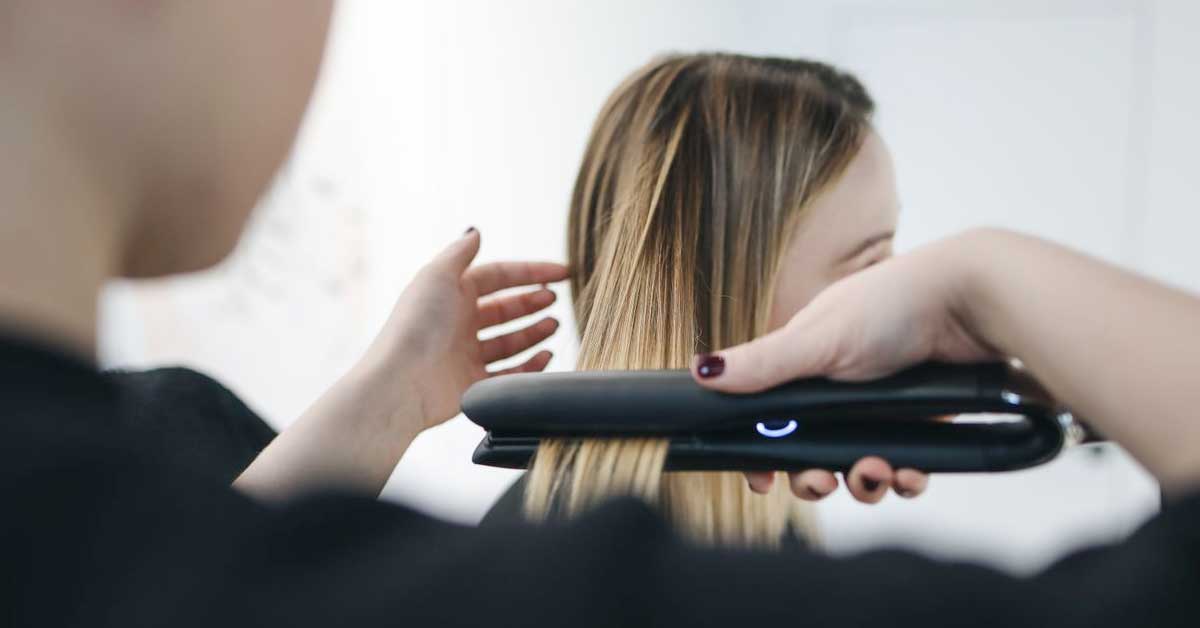
Ditch the Hot Tools For Now: Give your flat irons and curling wands a break while your hair heals. If you must blow-dry, use a low-heat setting and never skip a heat protectant spray.
Swap Your Towel: Ditch rough terrycloth towels, which cause friction and breakage. Gently squeeze water out using a microfiber towel or a soft cotton t-shirt.
Switch Your Pillowcase: Sleeping on a silk or satin pillowcase reduces friction overnight, keeping split ends and morning tangles at bay.
Brush Smart: Detangle wet hair gently using a wide-tooth comb or a flexible detangling brush, starting from the ends and working your way up to the roots.
Hair repair is a marathon, not a sprint. Stick with a consistent care routine for a few weeks, trim off those stubborn split ends regularly, and you’ll watch your hair regain its bounce, shine, and soft texture!