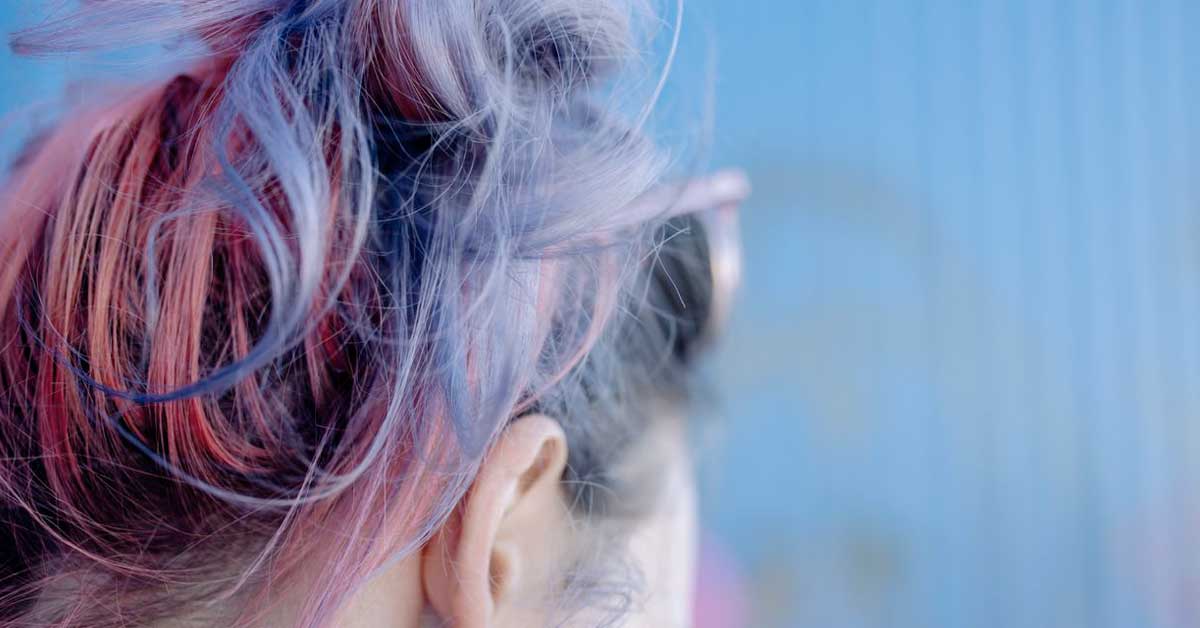
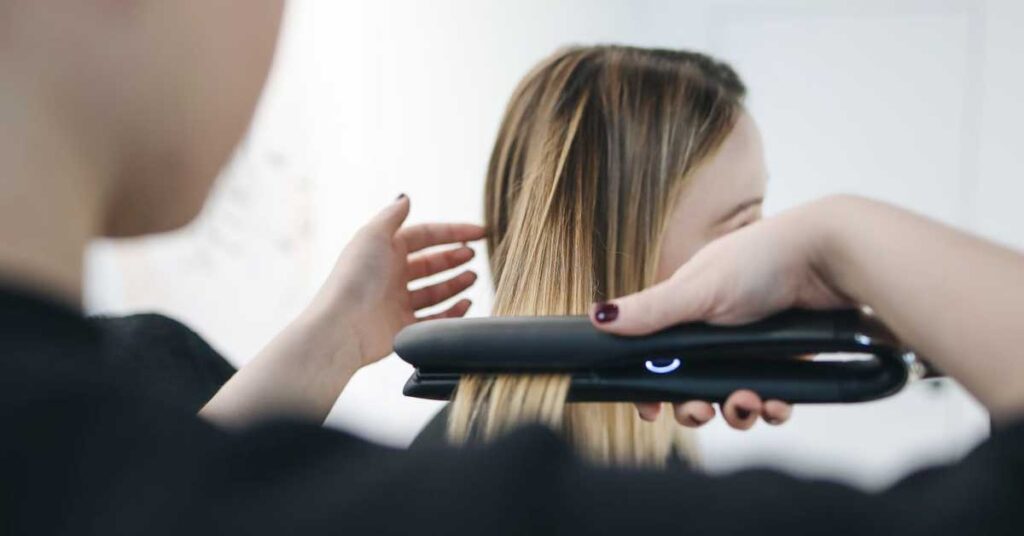
You step out of the salon with sleek, glass-like hair that looks straight off a magazine cover. Chemical rebonding and intense heat straightening deliver instant polish, but beneath that shiny surface, high heat and heavy chemicals alter your hair’s internal structure. When the smooth finish wears off, dry, brittle strands often take its place.
A. How to Spot Straightening & Rebonding Damage
Chemical rebonding works by breaking down the natural disulfide bonds in your hair shaft and resetting them pin-straight with intense heat. When this process overburdens your strands, clear warning signs emerge:
Tangled, Straw-Like Texture. Damaged hair cuticles lift and catch on each other, creating stubborn tangles especially when your hair is wet.
Loss of Elasticity. Gently stretch a single wet hair strand. Healthy hair stretches and bounces back; damaged hair snaps immediately or stretches out like worn-out elastic without returning to shape.
Extreme Porosity. Put a strand of clean hair into a glass of water. If it sinks to the bottom almost instantly, the protective outer layer is compromised, absorbing water fast but failing to retain moisture.
Split Ends & Breakage. Short, blunt fragments shedding on your shirt or pillowcase mean hair is breaking along the shaft, rather than naturally shedding from the root.
Dullness & Frizz. Unsealed cuticles can’t reflect light evenly, leaving hair matte and easily frizzy in humid air.
B. Practical Ways To Repair & Restore Damaged Hair
While completely severed bonds cannot be “undone,” you can dramatically improve your hair’s strength, elasticity, and appearance with a dedicated recovery routine.
1) Rebuild Internal Bonds
Invest in bond-building treatments containing active ingredients like bis-aminopropyl diglycol dimaleate. Unlike basic conditioners that only coat the surface, bond builders penetrate the cortex to repair broken chemical links. Use these once a week on damp, unconditioned hair.
2) Balance Moisture and Protein
Chemical processing strips both natural lipids and structural keratin. Alternating between deep conditioning masks (rich in argan oil, shea butter, or hyaluronate) and protein treatments (hydrolyzed wheat or keratin) restores both soft flexibility and structural integrity.
3) Pause Thermal & Chemical Hair Treatments
Give your hair a break from flat irons, curling wands, and harsh color processes for at least 3–6 months. If blow-drying is essential, use a cool setting and apply a silicone-based heat protectant first. To further protect your hair, opt for a silicone-free heat proteactant.
4) Protect the Hair Cuticle
- Switch to a microfiber towel: Gently pat hair dry rather than rubbing vigorously with terrycloth.
- Sleep on silk or satin: Silk pillowcases reduce friction overnight, preventing mechanical breakage on delicate strands.
- Use leave-in serums: Apply a light oil or leave-in conditioner daily to seal the cuticle and lock in moisture.
5) Get Regular Trims
No product can permanently weld a split end back together. Schedule a trim every 6–8 weeks to snip away damaged ends before they split further up the hair shaft.
With consistent care, patience, and the right bond-repair strategy, your hair will regain its softness, shine, and natural bounce.